Manner & Customs of the Bible Times
A comprehensive, scholar-guided journey through the daily life, culture, and civilization of Bible times — so every passage you open comes alive with the context its original audience already knew by heart.
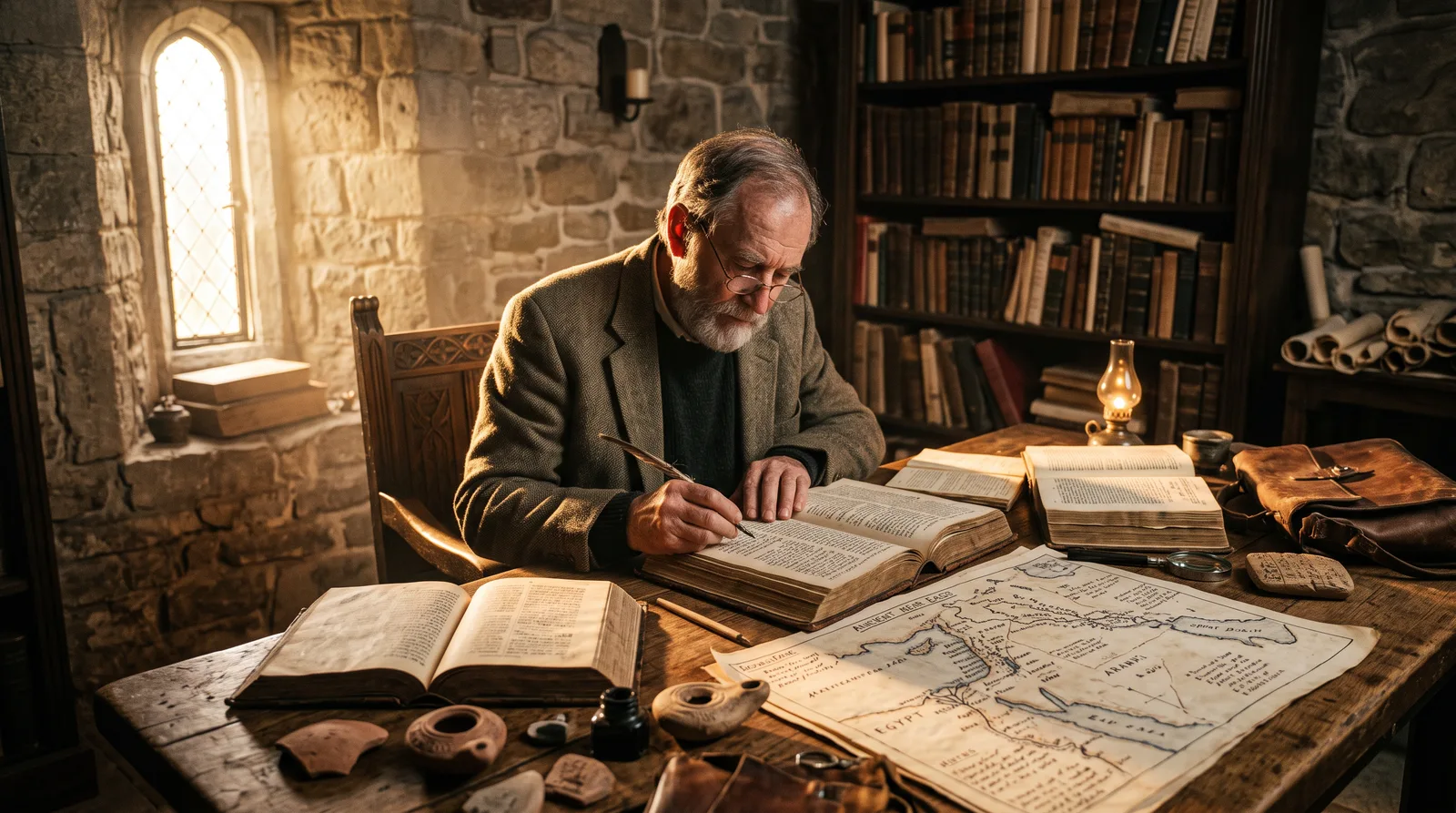
"The Bible was written in a world — and the moment you understand that world, the text stops being ancient and starts being alive."
— Timothy Atunnise
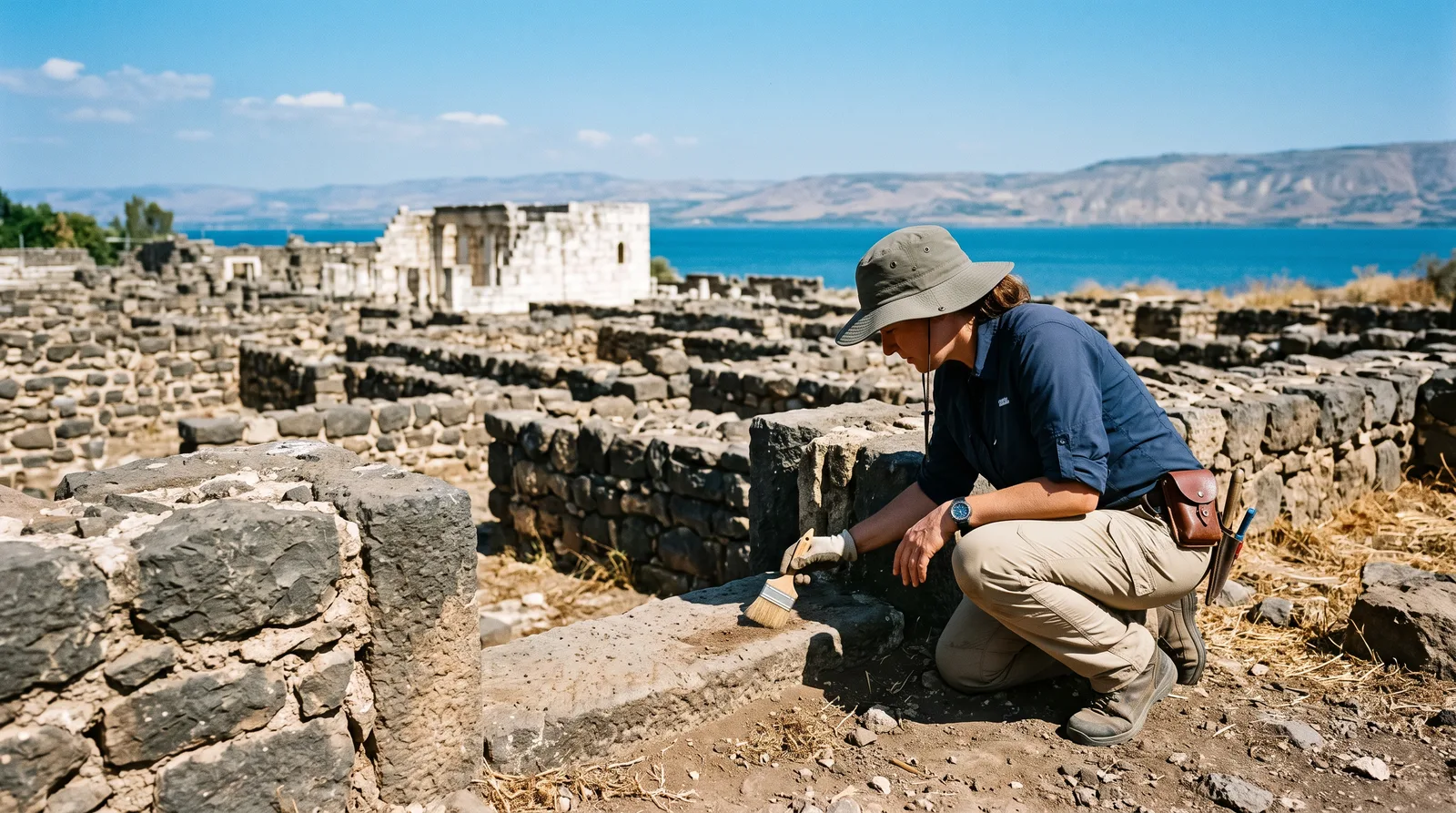
What you'll learn
What you'll be able to do
- Interpret biblical narratives with confidence by understanding the historical, geographical, and cultural world in which they were written
- Explain the family structures, marriage customs, and social hierarchies of ancient Israel and the broader Near East
- Describe the religious calendar, temple rituals, sacrificial system, and festival practices that shaped Israelite worship
- Trace how commerce, law, government, and warfare worked in biblical society and identify their echoes throughout Scripture
- Analyze the parables and teachings of Jesus within their authentic first-century Jewish cultural setting
- Apply cultural and contextual knowledge to enrich personal Bible study, sermon preparation, and theological reflection
How it works
A school that adapts to you
This isn't a set of static videos. Every lesson is generated live and tuned to where you actually are.
We learn your level
A quick placement check tailors your starting point so you're never bored or lost.
Lessons adapt as you go
Each lesson is written for your pace and your goal, adjusting as your skills grow.
Your AI coach keeps you moving
Checkpoints, feedback, and gentle nudges turn progress into a real result.
The curriculum
What's inside your school
12 modules · 60 lessons

Understanding the World of the Bible
Establishes the foundational tools — historical, geographical, and archaeological — needed to read Scripture in its authentic ancient context.
- 1.1The Importance of Biblical Manners and Customs in InterpretationIncluded
- 1.2The Historical and Cultural Background of the Ancient Near EastIncluded
- 1.3Geography, Climate, and Their Influence on Daily LifeIncluded
- 1.4The Social World Behind the ScripturesIncluded
- 1.5Archaeology as a Window into Biblical CustomsIncluded
Family Life and Household Structure
Examines the ancient Israelite household as the foundational social unit, including authority, roles, servants, and inheritance.
- 2.1The Biblical Concept of Family and KinshipIncluded
- 2.2Patriarchal Authority and Household OrganizationIncluded
- 2.3The Roles of Fathers, Mothers, and ChildrenIncluded
- 2.4Servants, Bondservants, and Household ManagementIncluded
- 2.5Family Honor, Inheritance, and LineageIncluded
Marriage, Weddings, and Domestic Life
Traces the full arc of marriage in the biblical world — from courtship and covenant to complex family arrangements and dissolution.
- 3.1Courtship and Betrothal Practices in Bible TimesIncluded
- 3.2Wedding Ceremonies and Marriage CelebrationsIncluded
- 3.3Marriage Covenants and Legal ResponsibilitiesIncluded
- 3.4Polygamy, Concubinage, and Levirate MarriageIncluded
- 3.5Divorce, Widowhood, and Family RestorationIncluded
Birth, Childhood, and Coming of Age
Follows the journey from birth through adolescence, covering rites, education, and the formation of covenant identity.
- 4.1Pregnancy, Childbirth, and Midwifery PracticesIncluded
- 4.2Naming Children and Their Cultural SignificanceIncluded
- 4.3Childhood Education and Moral FormationIncluded
- 4.4Circumcision and Covenant IdentityIncluded
- 4.5Respect for Parents and Family DisciplineIncluded
Food, Clothing, and Daily Living
Brings the texture of everyday ancient life into focus through food, dress, shelter, and personal hygiene.
- 5.1Agriculture, Harvest, and Food PreparationIncluded
- 5.2Meals, Dining Customs, and HospitalityIncluded
- 5.3Clothing, Sandals, and Personal AdornmentIncluded
- 5.4Housing, Furniture, and Domestic ArchitectureIncluded
- 5.5Hygiene, Health, and Everyday LivingIncluded
Work, Commerce, and Economic Life
Surveys the occupations, trade systems, and economic ethics that drove biblical society from farm to marketplace.
- 6.1Occupations and Skilled Trades in Biblical SocietyIncluded
- 6.2Shepherding, Farming, and Fishing PracticesIncluded
- 6.3Markets, Trade Routes, and Commercial ExchangeIncluded
- 6.4Weights, Measures, and Monetary SystemsIncluded
- 6.5Poverty, Wealth, and Biblical Economic EthicsIncluded
Worship, Festivals, and Religious Practices
Explores the full range of Israelite worship — sacred spaces, priestly duties, sacrificial rites, and the annual festival calendar.
- 7.1The Tabernacle, Temple, and Sacred WorshipIncluded
- 7.2Priests, Levites, and Religious LeadershipIncluded
- 7.3Sacrifices, Offerings, and Ritual PurificationIncluded
- 7.4The Annual Feasts and Their Cultural SignificanceIncluded
- 7.5Prayer, Fasting, and Public Expressions of FaithIncluded
Government, Law, and Justice
Examines how Israel was governed and how its legal system — from tribal councils to royal courts — administered justice.
- 8.1Tribal Organization and National LeadershipIncluded
- 8.2Judges, Kings, and Civil AdministrationIncluded
- 8.3The Mosaic Legal System and Judicial ProceduresIncluded
- 8.4Covenants, Contracts, and Legal AgreementsIncluded
- 8.5Cities of Refuge and Principles of JusticeIncluded
Social Relationships and Community Customs
Examines the unwritten rules of ancient social life — hospitality, honor, conflict, and community belonging.
- 9.1Hospitality as a Sacred ObligationIncluded
- 9.2Greetings, Blessings, and Forms of RespectIncluded
- 9.3Friendship, Neighborliness, and Community LifeIncluded
- 9.4Honor, Shame, and Social ReputationIncluded
- 9.5Conflict Resolution and Community ReconciliationIncluded
Warfare, Travel, and Communication
Covers how ancient Israel fought its wars, moved across the land, and sent and received messages across distances.
- 10.1Military Organization and Ancient WeaponsIncluded
- 10.2Fortified Cities and Defensive StrategiesIncluded
- 10.3Roads, Caravans, and Modes of TransportationIncluded
- 10.4Messengers, Letters, and Public AnnouncementsIncluded
- 10.5Warfare Customs and Divine InterventionIncluded
Death, Burial, and Life Beyond the Grave
Examines how biblical peoples understood, mourned, and memorialized death — and what they believed lay beyond it.
- 11.1Funeral Customs and Mourning TraditionsIncluded
- 11.2Burial Practices and Family TombsIncluded
- 11.3Memorials, Lamentation, and Public GriefIncluded
- 11.4Biblical Perspectives on Sheol, Resurrection, and HopeIncluded
- 11.5Death Rituals in Comparison with Neighboring CulturesIncluded
Biblical Customs Through the Lens of Christ and the Early Church
Applies the full course to the New Testament, reading the Gospels, parables, and early church life through their authentic cultural world.
- 12.1Jewish Customs During the Ministry of JesusIncluded
- 12.2Cultural Practices Reflected in the Parables of ChristIncluded
- 12.3Customs of the Apostolic Church and Early ChristiansIncluded
- 12.4Interpreting Biblical Manners for Modern ReadersIncluded
- 12.5The Lasting Significance of Biblical Customs for Theology and Christian PracticeIncluded
Who it's for
Is this you?

The Preaching Pastor
He wants his sermons to crackle with historical authenticity — the kind that makes a congregation lean in because the ancient world suddenly feels real.

The Seminary Student
She's absorbing doctrine and biblical languages, and needs the cultural and social world of Scripture to give all that theology a living, breathing setting.

The Sunday School Teacher
She's taught the same stories for years and is hungry for the deeper 'why' behind every custom so she can finally answer her students' best questions.

The Lifelong Bible Student
He reads his Bible every morning and wants to move beyond surface familiarity into the kind of layered understanding that only cultural context can provide.

The Small Group Leader
She facilitates weekly Bible discussions and wants the historical and cultural depth to guide her group past confusion and into genuine, grounded insight.

The Curious Layperson
He's a committed churchgoer who has always wondered about the feasts, the temple rituals, and the social customs — and is finally ready to study them seriously.
Questions
Frequently asked
Your teacher
A note from your teacher
Timothy Atunnise
If you've been reading your Bible faithfully for years — and you still sometimes feel like you're watching a foreign film without subtitles — I want you to know that feeling is not a failure of faith. It's a gap in background. And it's entirely closeable.
The ancient world in which Scripture was written was governed by customs, obligations, and assumptions so thoroughly understood by its original audience that the biblical authors rarely stopped to explain them. A bride price, a city of refuge, a seat at the city gate, a meal shared with a tax collector, burial cloths folded and set aside — these details weren't illustrations. They were the grammar of that world, and every first-century reader or Israelite farmer heard them instantly. We, reading across a distance of two to three thousand years, miss the resonance. And when we miss the resonance, we miss the meaning.
That is exactly what this school is designed to repair. I have organized it to build the way understanding actually builds — from the ground up. We begin with the interpretive question itself: why do manners and customs matter, and how do archaeology, geography, and social history give us reliable access to them? Then we move through every domain of ancient life: the household and the family, the wedding feast and the mourning tent, the market and the law court, the Temple and the threshing floor, the city wall and the open road. Nothing is treated as a curiosity. Every custom is handled as a window into the worldview of the people God was speaking to — and therefore as a lens that sharpens our reading of what He said.
I want to be honest with you about what kind of school this is. It is not a shortcut, and I have not written it to be one. It is a comprehensive, carefully sequenced study — the kind that takes you from "I know the story" to "I understand what that story meant and why it matters." You will finish this school with a permanently different relationship to your Bible: not just more information, but a reliable instinct for reading context, and the quiet confidence that comes from knowing the world behind the Word.
If you are a pastor, this school will enrich every sermon you preach. If you are a seminary student, it will give living texture to the doctrines you are studying. If you are a Sunday school teacher, it will transform the questions you can answer and the pictures you can paint. And if you are simply a Christian who loves Scripture and wants to honor it with serious attention — you are exactly the student I wrote this for. Come, and let's open the ancient world together.
— Timothy Atunnise
Start your journey today
Get instant access — learn at your own pace with an AI coach in your corner.
$49/mo
Recurring billing · cancel anytime
Secure checkout · Instant access
- 12 modules, 60 lessons
- AI-adaptive lessons tuned to your level
- Quizzes & checkpoints to lock in progress
- Your own AI learning coach
- Learn on any device, at your pace
- Full access for as long as you're subscribed